“Your information on Risk Management is a totally new way of thinking for me. Everything comes back to health.” Cindee – Boone, N.C.
“I wanted to develop personally during this class. Now I know how to also help my staff develop professionally as well.” John- Kennesaw, GA.
Whether you are new to the industry or a veteran, this ISSA/CMI Masters certification class is guaranteed to give you up to date techniques and technology that you can use within your business.
Be ready to change your mindset!
Have you found yourself in charge of a department you know nothing about?
Just moved into a position where the staff knows more than you?
Are you now inspecting work and have no idea as to the “how’s” and “why’s”?
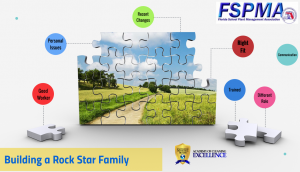
2. Is the employee experiencing personal problems?
If an employee is experiencing personal problems, make sure your source of this information ONLY comes from the employee.
Do NOT use gossip or hearsay when dealing with these situations.
If they just want you to know that they are going through
a tough time with a spouse, then you should recommend counseling or an Employee Assistance Program, if one is provided.
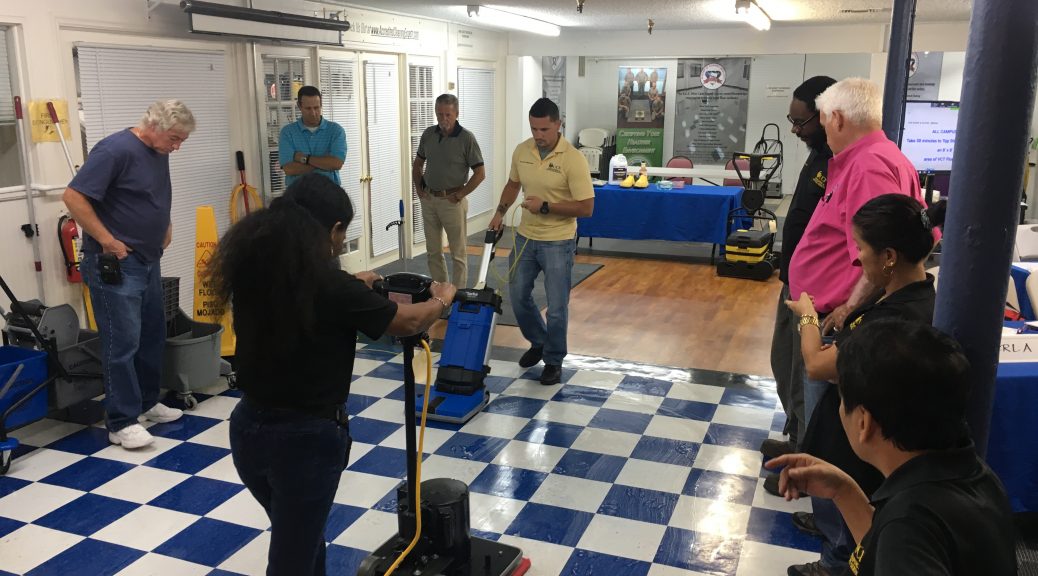
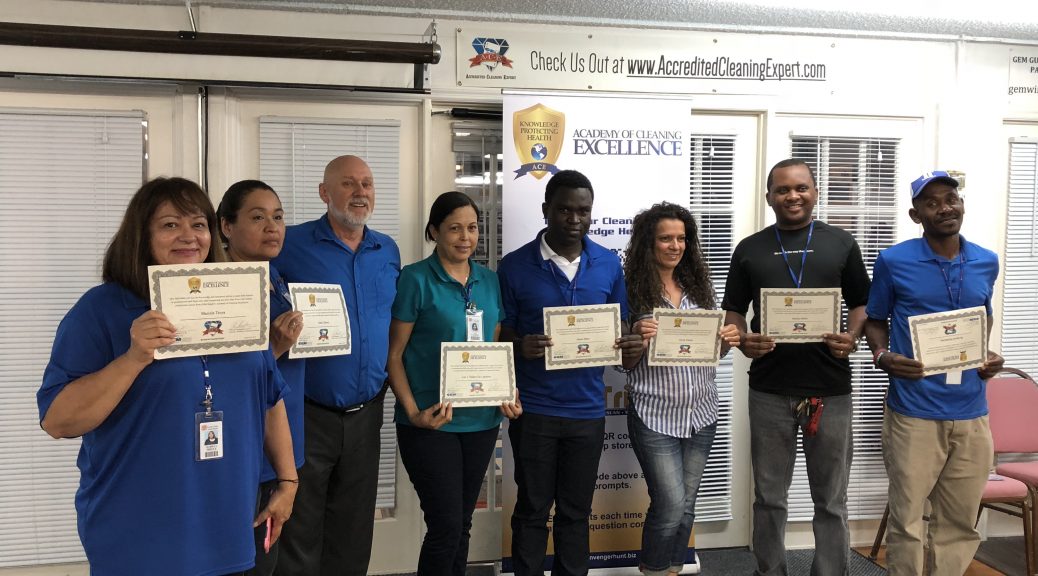
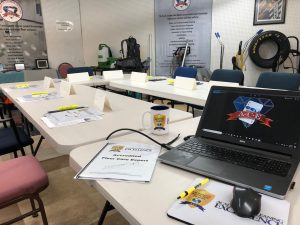
The Academy of Cleaning Excellence held another professional development class yesterday.
“How to clean, polish and refinish resilient floor surfaces.
Students reviewed with the instructor the reason we take care of
floors, and it is not for Appearance. You’ll have to come to class to learn the real reason. Everyone got a chance to operate tools and equipment and watch a demonstration of proper finish application.
Today’s Floor Care Expert Class Location – Lakeland, FL.
What can save my operation 40% of the normal floor finish I use to maintain VCT floors?
What can help keep 90% of dry soil from my polished floor surfaces?
How much should I invest to make more profit on my floor care services?
Samuel Sr. and his son Sam, said that they invested in this day of education to learn how to make more money for the work they do. Sam said that he has not spent this much time sitting, not working and so happy to do so, that he will be coming to other A.C.E. Academy of Cleaning Excellence classes in 2017.
Both men walked out with their new certificates and smiles on their faces with answers to questions they didn’t even know they were going to ask.
What do you want to learn?
Come to a class and ask your questions. You can’t get an answer any other way.
Have you used a mop bucket that actually works? Or does your mopping tools just spread dirty water? Have you ever been informed on what Microfiber is so that you can make an intelligent decision when you purchase these tools?
Here is your chance to learn for about Microfiber, what it is and how it works in regards to the cleaning industry. The first 20 people to sign up get the FREE seats. Everyone after that pays $30.
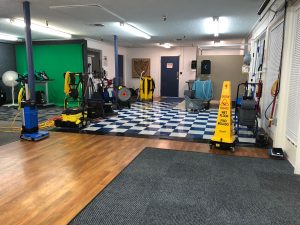
Come and be some of the first people to enjoy the newly remodeled A.C.E. Learning Center in Orlando. Refreshments will be served. Bring your Smart Device. Wifi is provided.
On January 6th, 2017 we are proud to launch the first of several media events on the A.C.E. Network. ” Beyond Clean with Dave” will air each Friday afternoon at 1 pm Eastern from our studio in the A.C.E. Learning Center, Orlando, FL.
This weekly LIVE broadcast via YouTube, is 15 minutes of conversation with experts from around the world who focus on Healthy, Positive and Proactive practices and products. Be sure to mark this on you calendar and tune in on this YouTube Channel.
A slip occurs when there is too little traction or friction between the shoe and the walking surface, causing a person to fall backwards. A trip occurs when a person’s foot contacts an object in their way or drops to a lower level unexpectedly, causing them to be thrown off-balance in a forward motion. Lastly, a fall occurs when a person is too far off-balance.
According to the Consumer Product Safety Commission, floors and flooring materials contribute directly to more than 2 million fall injuries each year. The causes of accidents are varied: walkways that are wet, oily or contaminated; floor surfaces that are in disrepair; loose or unanchored rugs or mats; spills; weather hazards such as ice, rain or snow; lack of employee training; and inappropriate footwear.
“When you look at slip-and-fall accidents there are many different elements to consider,” says Griffin. “It’s not just one element that makes the difference. There is almost an unlimited list of variables.”
According to the NFSI, 7 percent of accidents are attributed to training issues, such as improper use of floor finishes and cleaning chemicals. Untrained workers are more apt to make mistakes in equipment usage and chemical dilution, thereby exposing facilities to increased risk. Untrained cleaning personnel often make the mistake of using too much chemical on floors, when in fact, manufacturer dilution instructions must be strictly followed or a slip-and-fall disaster may strike.
Another cause of accidents is using improper chemicals that leave a film or residue on the surface of a floor. According to one chemical manufacturer, that film can create a barrier between the floor finish and a persons shoe. Instead of walking on the floor finish, people are walking on the residue, and that’s a slip hazard.
Cleaning chemicals and equipment certified as “High Traction” by NFSI are independently tested to keep walkways above the high traction threshold outlined in the ANSI B101.1-2009 national standard and, as such, should be used in facilities whenever possible, says Kendzior.
Another area of concern managers should be aware of when it comes to floor care chemicals is cross-contamination and using the same mop and bucket to clean multiple areas within a facility. This is especially important in food service where it is important that soil and bacteria are not transferred from one area to another.
“I’ve seen instances where workers use a mop in the kitchen and then that same mop in the bathroom, and then they take it out to the dining room and use it out there to do the entryway,” says Griffin. “You can see the grease on the floor and you can tell what has happened. There’s no excuse for taking grease out of the kitchen and moving it to the dining room, the entry or bathroom.”
Griffin recommends facilities use color-coded mops and buckets for different areas to avoid cross-contamination.
Cleaning procedures that don’t have anything to do with the actual cleaning of the floor — such as spraying airborne chemicals on baseboards, walls, or windows — should also be taken into consideration as potential slipping hazards.
“I had a slip-and-fall case not too long ago where somebody had sprayed metal cleaner on an elevator door and the overspray went down on the floor,” says Griffin. “When people came out of the elevator, the floor was extremely slippery and they fell down left and right.”
Training personnel on how to properly use the chemicals is extremely important. For example, workers should spray chemicals directly onto a cloth to prevent airborne particles from falling to the floor.
Managers can control some slip hazards, but they have little control over environmental factors such as tracked in snow, water, soil and dust, which is why it is important to stress prevention. Cleaning crews must be prepared to react to weather conditions and address concerns before they become a hazard inside the facility. Because most slips and falls occur on wet surfaces, managers are advised to use proper matting both in and outside entryways to reduce elements being tracked into a facility.
Social factors, such as footwear, or if someone is not paying attention to their surroundings, also come into play as a potential cause of accidents, says Kendzior. In fact, footwear accounts for 24 percent of all accidents, according to the NFSI. These are common regardless of the environment because the less contact a person has with the floor, the more likely they are to experience an accident.
A person’s age also increases the likelihood of floor-related accidents. According to the NSC, adults 55 and older are more prone to being victims of falls. The number of fall deaths among adults 65 or older is four times the number of fall deaths among all other age groups.
“People are now working well into their 70s, and that age demographic is the most likely to experience a slip, trip and fall and become seriously injured as a result,” says Kendzior.
Physical factors are also difficult to control because they are different for every building occupant or cleaning worker. This includes the potential for poor vision, lack of stability and walking struggles. NFSI statistics indicate that 9 percent of slip-and-fall accidents are due to a lack of proper hazard identification. The use of proper signage to identify slip-and-fall hazards can help prevent these physical factors.
“But even wet floor signs are not adequate when it comes to identifying a potential hazard,” says Griffin. “You really have to use barricades or safety caution tape. When you get to court, the lawyers will say that no one reads the signs until they’re laying on the floor.”
Signs or not, accident prevention by way of regular audits and testing of floors should be top of mind, says Kendzior. He stresses the importance of independent floor testing by a qualified auditor that utilizes ANSI national testing slip-and-fall safety standards on a regular basis. These testing standards quantify the traction requirement for pedestrian safety and the prevention of slips and falls.
This could change the character of a slip-and-fall negligence claim against a facility or deter a fraudulent claim from even being filed.
On average, a person takes 8,000 steps a day. However, it only takes one slip to destroy a life.
Each year, thousands of people fall victim to slip-and-fall accidents in the United States, resulting in sprains and strains, bruises and contusions, abrasions, lacerations and fractures. Slips and falls are also the leading cause of fatalities in the workplace and the cause of more than 20 percent of all disabling injuries. Workers’ compensation and medical costs associated with slip-and-fall accidents approach $70 billion annually, according to the National Safety Council (NSC).
“Falls are the leading cause of emergency room visits in the United States, totaling over 8 million a year,” says Russ Kendzior, president of the National Floor Safety Institute (NFSI), Southlake, Texas. “More people will go to an emergency room for an accidental fall than any other form of injury, including car crashes.”
According to the 2013 Liberty Mutual Workplace Safety Index, falls ranked second among the leading cause of all workplace injuries in 2011 — accounting for 15.4 percent of direct costs associated with injuries in the workplace, or more than $11 billion. The Safety Index reports that “falls on the same level” are the second-most costly occupational injury with an estimated annual cost of $8.6 billion, trailing only overexertion ($14.2 billion). “Slips or trips without a fall” ranked seventh in workplace injuries at an estimated $2.6 billion annually.
Wet or damp floors aren’t the only cause of slip-and-fall accidents in facilities. Improper cleaning, footwear, and clutter can also cause hazards for building occupants. According to reports, nearly 50 percent of facility accidents can also be attributed to the type of flooring used.
Regardless of the cause, slip-and-fall accidents can cost facilities a great deal of money in liability, says Bill Griffin, president of Cleaning Consultants Inc., Seattle. With the average cost of a slip-and-fall accident estimated at $22,800 per incident, and the average workers’ compensation claim averaging $19,000, Griffin says custodial managers should not only understand the main causes, but also follow proper floor care safety standards to ensure their floors are safe for building occupants.
Floor polishes have changed significantly over the decades, and as they’ve changed, so too has the floor maintenance industry.
Floor polishes have changed significantly over the decades, and as they’ve changed, so too has the floor maintenance industry. Natural waxes that played an integral part of the early floor maintenance polishes have gone by the wayside, and new polymer emulsion finishes have successfully taken their place.
Although there are many different varieties of floor polishes today, the challenge of floor polishes is still the same; they must protect the flooring material while being easy to clean, possess an acceptable gloss appearance that is maintainable and provide a safe surface to walk on. That’s an awful lot to ask of a thin film of plastic.
The term “wax” has been used for over a century in the floor maintenance industry, although it is now somewhat of a misnomer. Its roots come from the early days of floor maintenance with the use of natural waxes in early polishes. Many of the original waxes were made from the carnuba plant and mixed with a solvent to make a viscous paste wax.
These paste waxes were applied using steel wool pads and maintained by buffing them with soft brushes in conjunction with a slow speed rotary floor machine. Later carnuba waxes were suspended in water-based emulsions to form liquid wax that could be easily applied with a mop instead of steel wool, and were unproblematic to buff with a brush or soft pad.
When the first polymer emulsion floor seals and finishes entered the market, they set in motion changes that impacted floor maintenance then, and even more so today. The new floor polishes where more durable than waxes and the ease of application was simple enough that almost anyone could apply them without any trouble at all.
The early polymer emulsions were generally no-buff systems that were applied and left to dry into a durable film. At this time there was very little maintenance, you either scrubbed and recoated or stripped and refinished. So the floors would start out looking very good and slowly (sometimes quickly depending on traffic) deteriorate to an unacceptable appearance.
Cross link metal interlock floor finishes entered the market, which resulted in durable floors that would hold up much better than natural and early synthetic waxes. With them came spray buffing methodologies that incorporated synthetic pads used in conjunction with low speed floor machines. The finish was usually watered down 50/50 and applied to the floor using a spray bottle in a small area. The process filled in superficial scratches with floor finish and was buffed to a slightly higher gloss by smoothing the surface with the floor machine and pad. This was a method that was widely used and is still referenced in many specifications to this day.
Unfortunately, spray buffing was a time-consuming and a very slow process. In order to speed up the process, high-speed and ultra high-speed buffing machines were invented and better results were achieved quicker. With the new machines came new variations of pads and floor finishes.
The new floor finishes were incorporating pure acrylic, styrene acrylic and in some cases urethane polymers. Some of these floor finishes became too hard and difficult to maintain, that’s when thermoplastic polymers hit the market. These new floor finishes made a significant change in floor maintenance. Thermoplastic floor finishes had the ability to become malleable with heat and friction, but when they cooled down, they would transform to a durable film. Battery and propane buffing equipment was invented to maintain this new generation of floor finish and the “wet look” was easily achieved and maintained.
Most of the history of floor finish has focused on the durability, ease of cleaning, appearance and safety of the film. Modern developments of floor finish include more durable polymers (semi-permanent and permanent systems), higher solids content, matte finishes and slip resistant formulations. One of the newest developments is the use of anti-microbial preservatives in floor finishes.
This new technology allows for an EPA-registered broad spectrum biostatic preservative to be incorporated into floor finish. The new development results in a film that inhibits the growth of microorganisms that it comes in contact with. This is not to say that it kills organisms that it comes in contact with, rather it prevents micro-organisms from reproducing by destabilizing metabolically active cell membranes which result in subsequent growth inhibition and cell death.
The impact that antimicrobial preservatives in floor finish may have is extremely important for floor maintenance programs in any environment. But it is even higher when you consider the additional protection that can be attained in the healthcare, education, day care, assisted living and any other environment where micro-organisms exist. This may very well be the single most important development for the future of floor maintenance in those environments.
The evolution of floor finishes has truly been a phenomenon when you think about it. When the combination of wind, water and gravity can erode the Himalayas, what chance does a thin polymeric film have against the same elements? The ability to continually restore the “wet look” of that thin film over and over again is nothing short of amazing. And now that technology has given us the ability to build anti-microbial preservatives into floor finish that protect us against what we can’t see, I would say we are treading on ground that is very close to miraculous. Well, I guess it’s not just wax anymore.
Stanley Quentin Hulin has been actively involved in the industry, providing services, management and sales/marketing expertise since 1975. Stan conducts training seminars and clinics, establishes educational programs and serves as a speaker at industry conventions and meetings.
All information gathered from ICSMAG.Com
"The most valuable resource an operation has is an engaged employee, let that be YOU!"

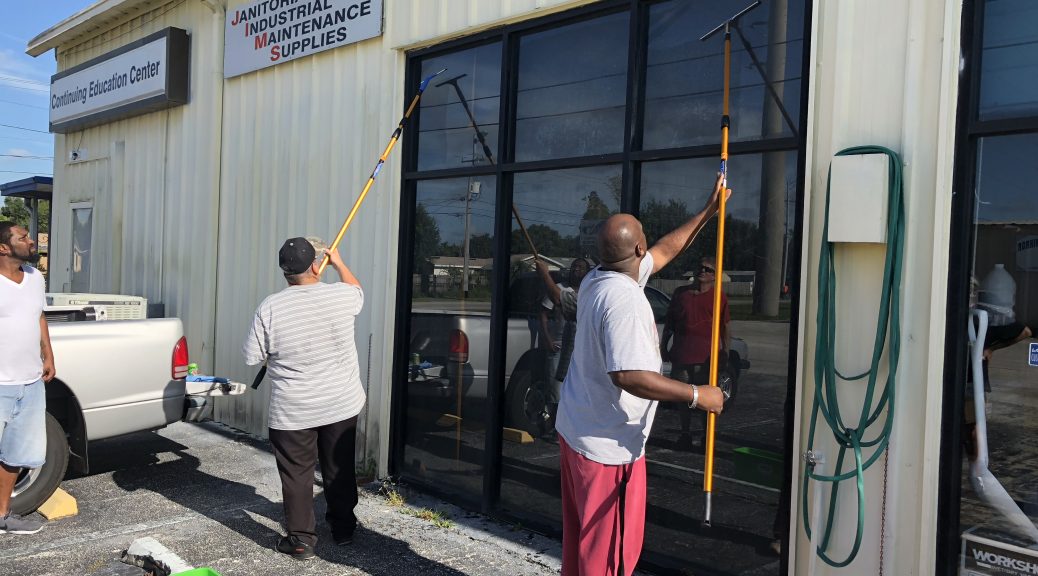



 The Academy of Cleaning Excellence held another professional development class yesterday.